01 Opportunity
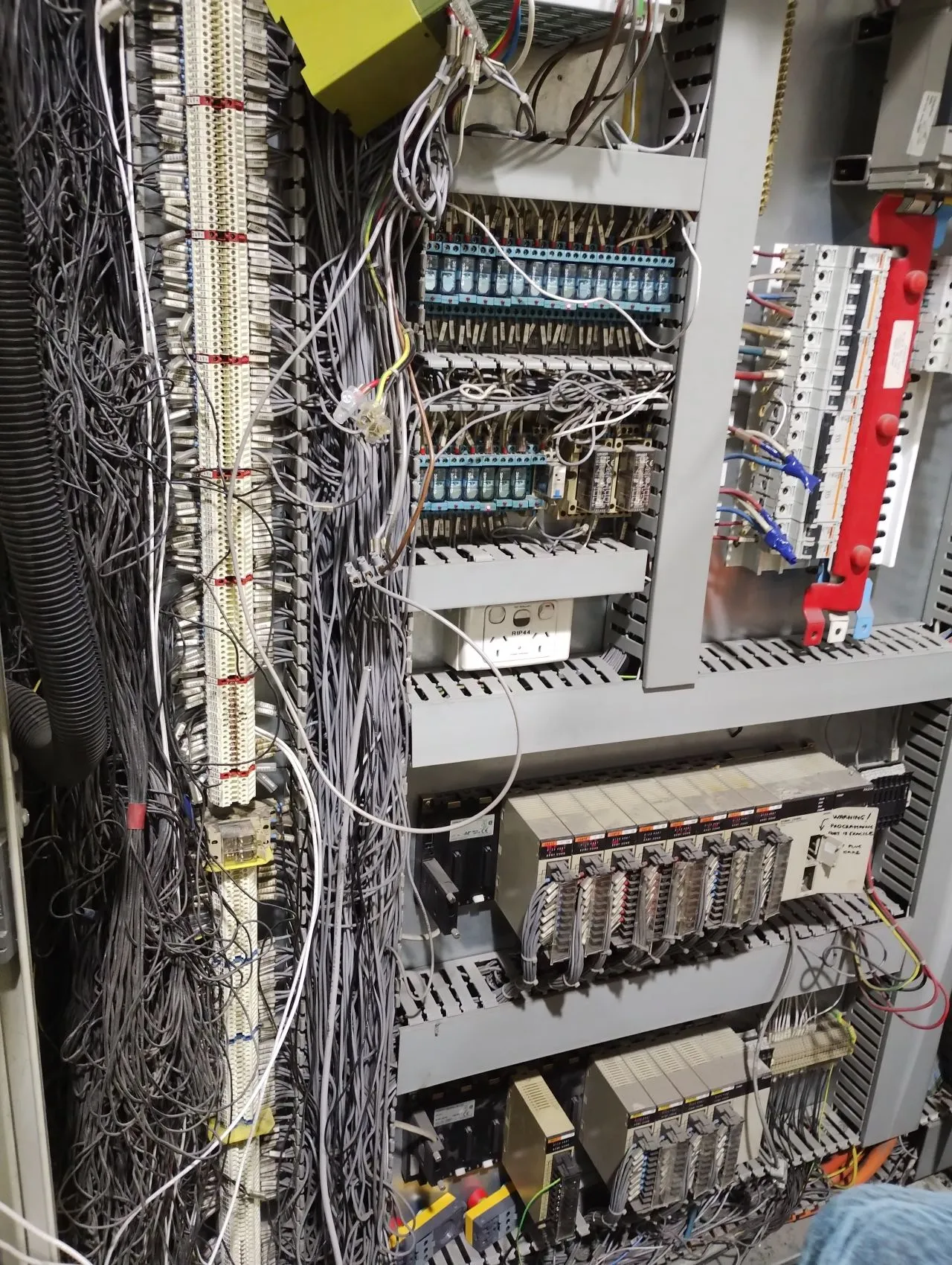
The packing end of the plant had grown machine by machine over decades: five standalone legacy PLCs, relay-heavy switchboards, hardwired safety and an ageing robot fleet that no longer matched the line speed upstream. Every carton the plant ships crosses this area.
That last fact set the rule for the whole project — the upgrade had to happen around production. No big-bang cutover, no commissioning window longer than a weekend, and the lines either side of each cell had to keep packing while it was rebuilt.
02 Solution
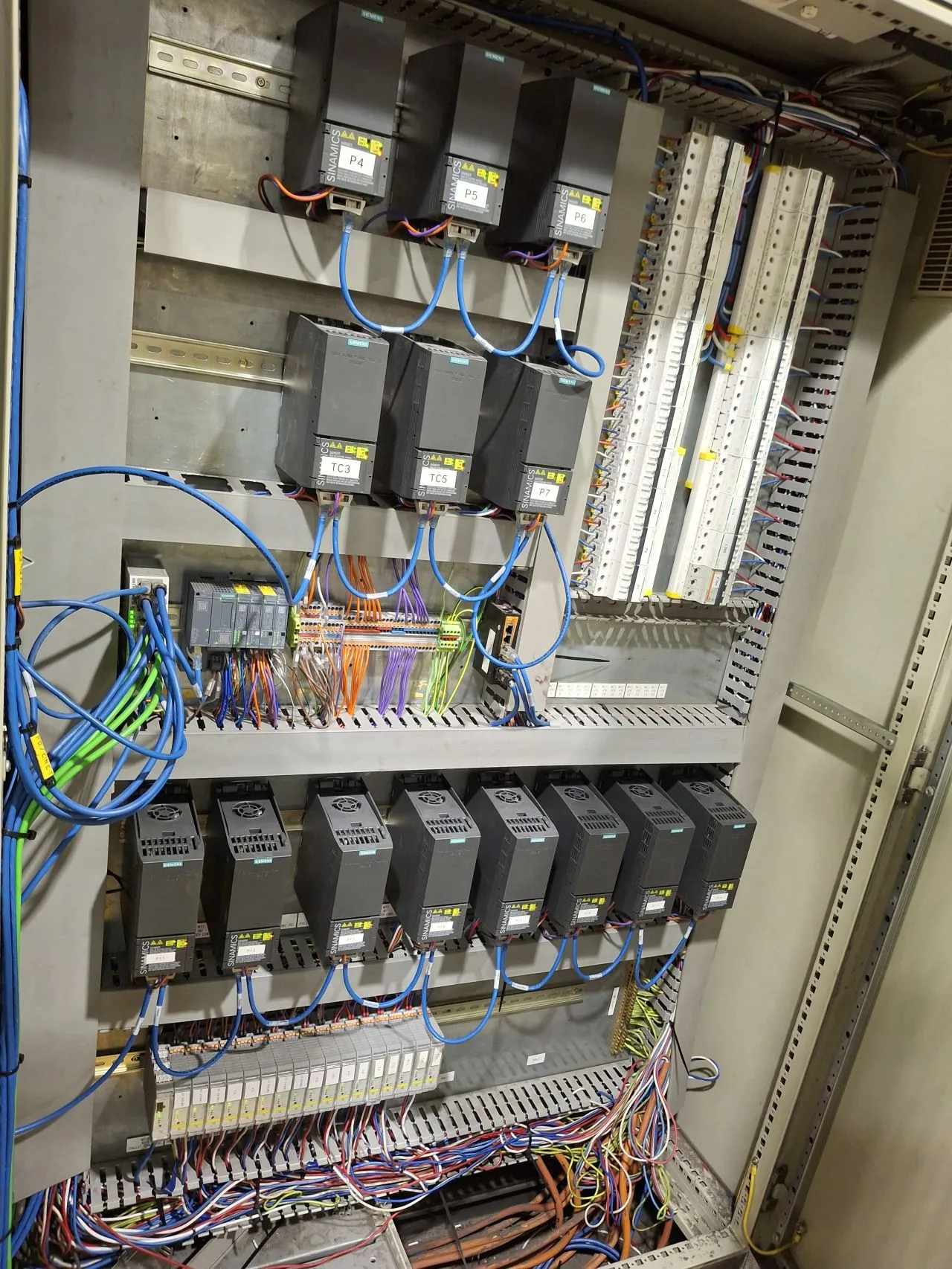
The control software was built from scratch to one standard: one modern fail-safe Siemens control platform — two fail-safe controllers doing the work of the five old ones — with each cell built the same way so any engineer can maintain any cell.
New palletising robots were added and the existing robots were kept and brought onto the same system — no forced fleet replacement and no stranded capital.
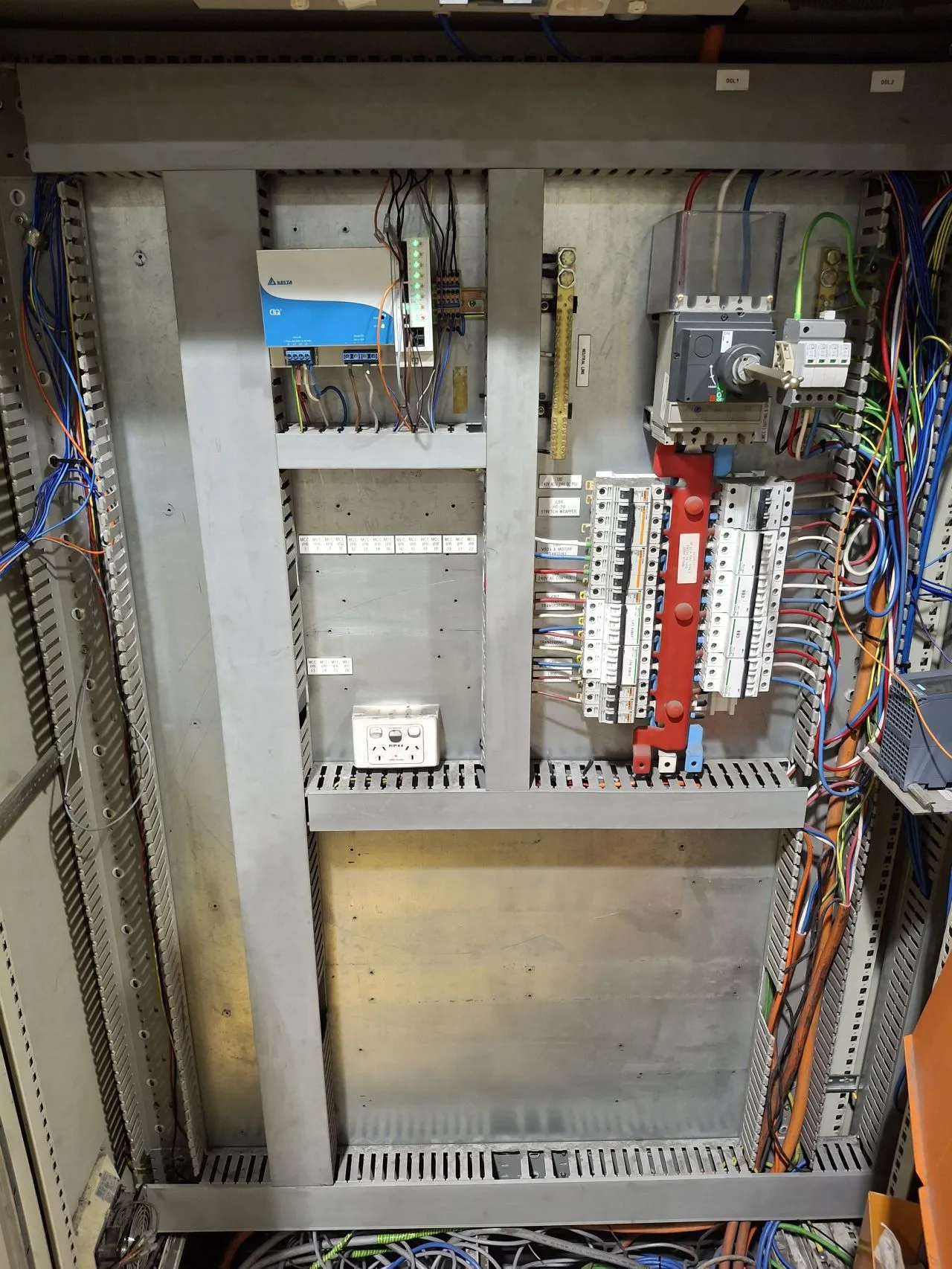
Safety was engineered cell by cell, certified to SIL 3 / PL d, so one cell can be entered for service while its neighbours keep running. Moving control and safety out onto the network instead of through the switchboard removed around three-quarters of the components and wiring. New wrapping machines were brought into the same system, smart sensors flag problems before they become stoppages, and WinCC Unified dashboards report live throughput and shift figures for every line on one screen.
Traceability was built in, not bolted on. Every pallet is tagged at the cell that builds it — product, batch and weight travel with it all the way to despatch — so a recall or a customer query can be answered in seconds instead of a paper chase, and supervisors see pallets-per-hour for every cell on the same screen.
03 Outcome
The fleet was upgraded cell by cell around running production — the plant never lost a shift to the work. Thirteen cells now run on one modern control platform built to a single standard, with safety certified to SIL 3 / PL d and production running smoothly since commissioning.
Design, component selection, programming, safety engineering and commissioning were delivered by one engineer — one scope, one phone number, no interface gaps between contractors.
04 Project highlights
- 13 robot cells and automatic pallet lines upgraded cell by cell around live production
- Five ageing standalone PLCs consolidated onto one modern fail-safe Siemens control platform — two fail-safe controllers doing the work of five, all to one standard
- New and existing robots unified onto one safety system — no forced fleet replacement, no stranded capital
- Safety engineered and certified to SIL 3 / PL d — per-cell zones so one cell can be serviced while its neighbours keep running
- Around three-quarters of the switchboard components and wiring removed by moving control out onto the network
- Every pallet tracked end to end — the cell that built it, product, batch and weight follow it to despatch for full traceability and fast recall
- Live KPI dashboard: pallets-per-hour for every cell, line OEE and active alarms on one screen for supervisors
- New wrapping machines brought into the same system; smooth production since commissioning